
Cooking Equipment Guide
Are you shopping for a new pan or pot? Wondering if your existing cookware is toxic and should be replaced? Selection of cookware material is very important for successful cooking; the right choice will make cooking much easier and the result much better when compared to alternatives.
Of course, there will always be room for individual preferences and capabilities, including financial considerations. Cookware can be very expensive! Some home cooks are comfortable cooking with a variety of cookware materials while others might prefer to just use one; they get a set and are happy with it. Whatever your preferences are, this guide is designed to help you make sense of seemingly endless choices out there and determine what cookware is best for you.
In this guide, all cookware is divided into three categories:
Cookware suitable for cooking either with liquid or fat (like soups, stews, boiled potatoes, or grains),
Cookware suitable for cooking with fat only (like fried meat, poultry, or vegetables), and
Cookware that works great even without any fat or liquid at all.
A note: this guide covers the materials and not brands. There are materials that some brands develop that are proprietary; such materials are not included in this guide.
COOKING WITH LIQUID OR FAT
(Things like stews and soups but also steaks and stir-fries)
BEST: Enameled Cast Iron
Excels at cooking dishes with liquid (e.g., stews, sauces, pot-roasts, grains) and dishes with oil (e.g., steak, fish). Stove to oven. Excels at baking bread and desserts.
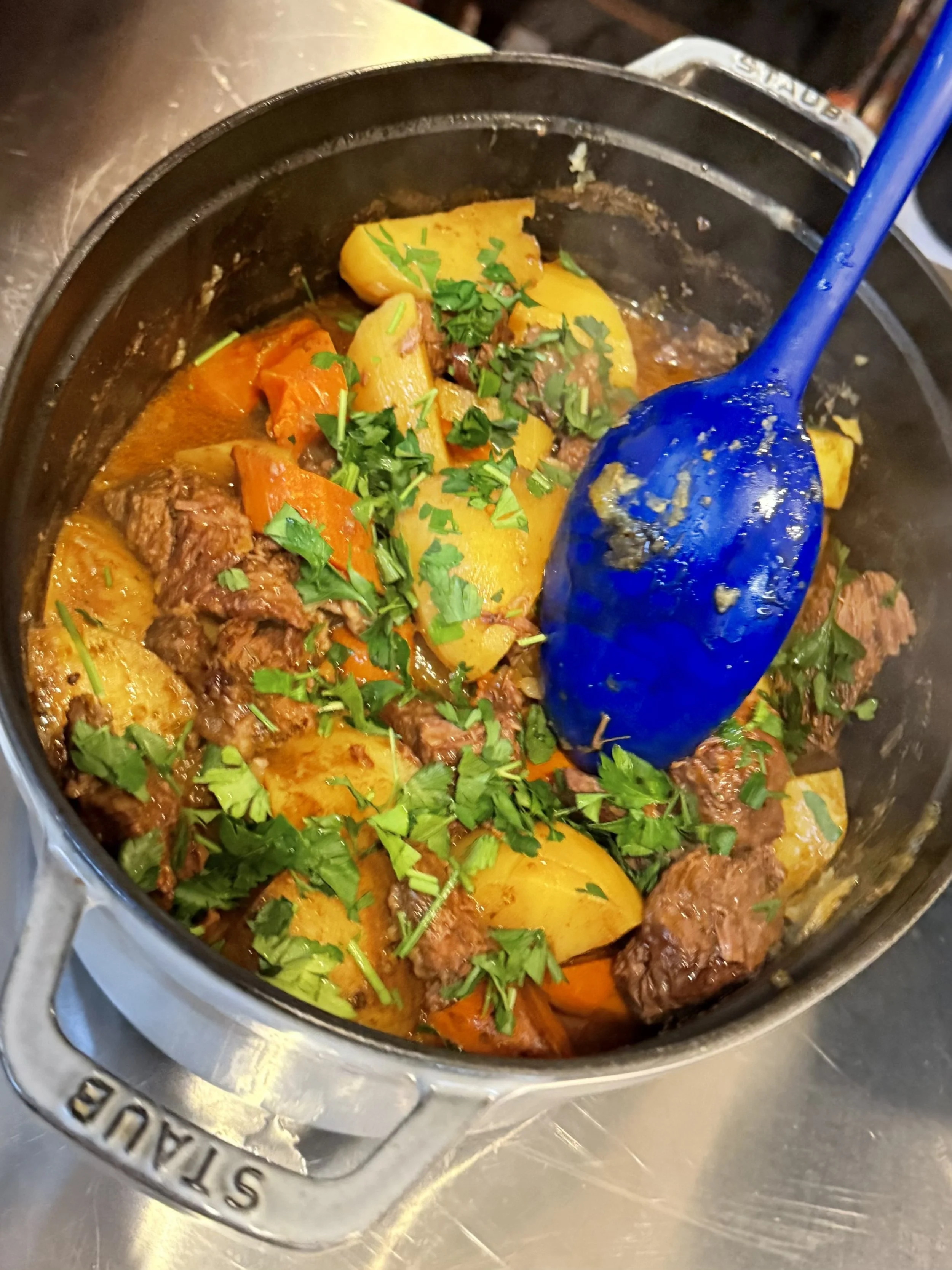
Advantages:
Even cooking
Hard to burn food
Very durable
Non-reactive
Very easy to clean
Almost non-stick
Disadvantages:
Very heavy
Expensive
SECOND BEST: Stainless Steel
Excels at cooking dishes with liquid (e.g., soups, sauces, stews, pot-roasts, grains) and dishes with oil (e.g., steak). Stove to oven.
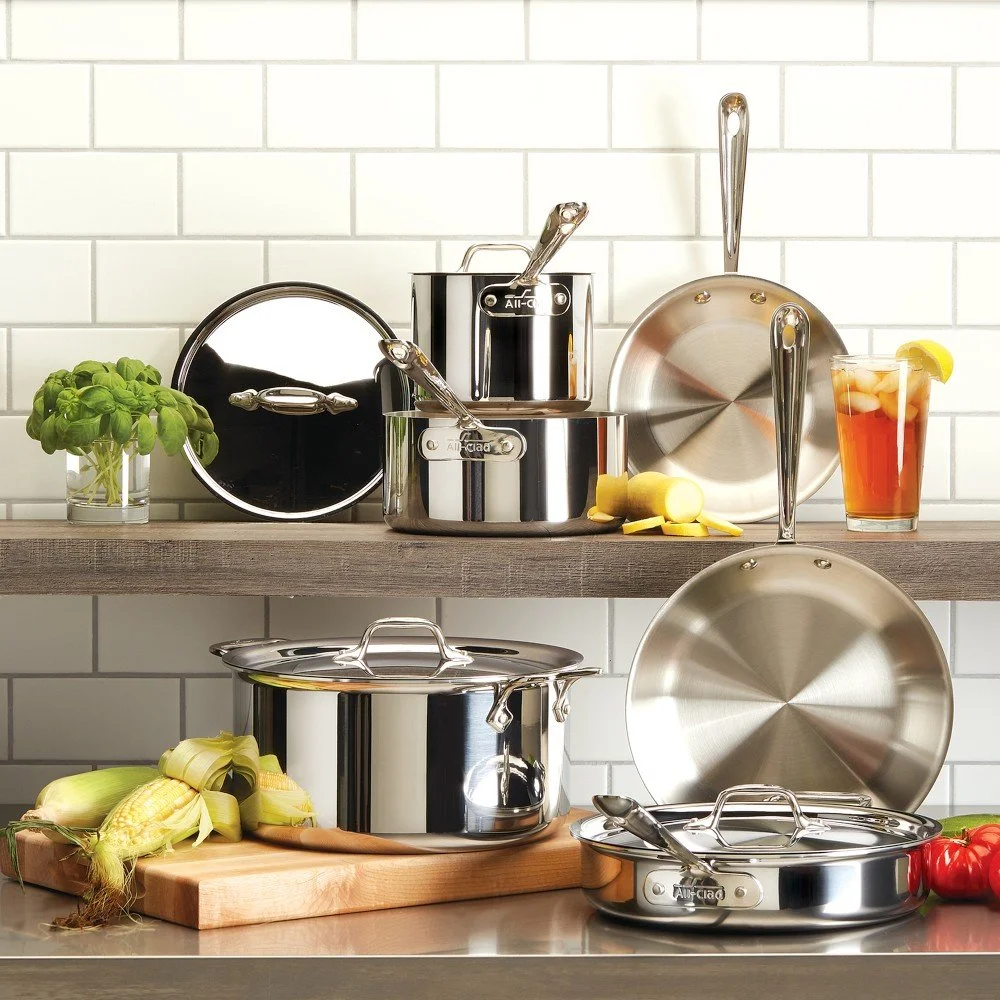
Disadvantages:
Food can stick
Can be easy to burn food
Can be hard to clean
Can be expensive
Advantages:
Even cooking
Very durable
Not very heavy
Non-reactive